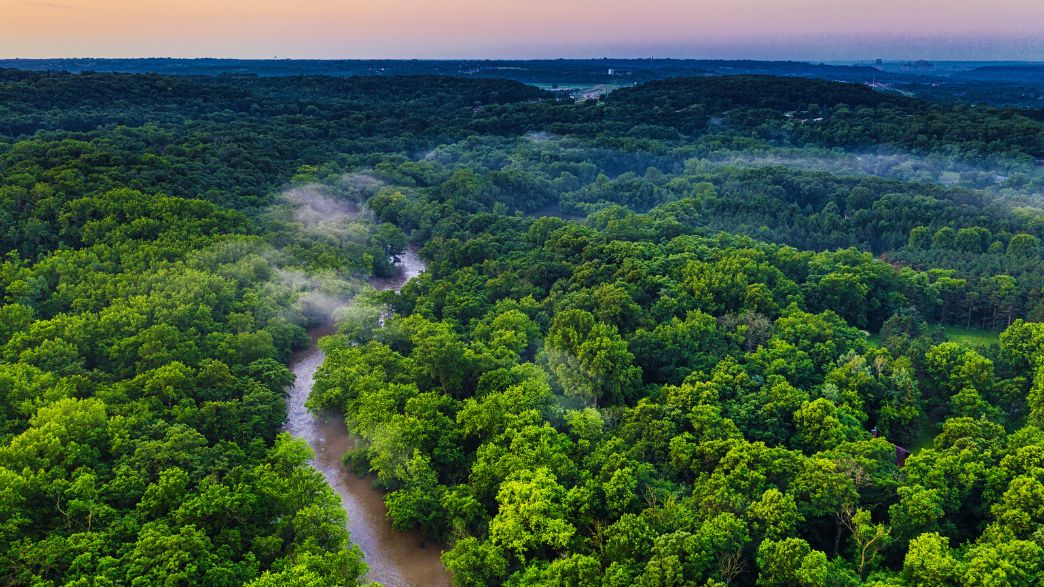


President Sheikh Mohamed has directed an expansion of nature reserves in Abu Dhabi to reach about a third of the emirate’s total land area.
The announcement comes at the close of the International Union for Conservation of Nature’s World Conservation Congress, which was held at the Abu Dhabi National Exhibition Centre during the past week. It was the first time the UAE hosted the global event.
The Environment Agency Abu Dhabi is to manage the newly designated reserves, which will cover about 4,600 square kilometres, state news agency Wam reported. These will be added to the Zayed Protected Areas Network, which includes 13 terrestrial and six marine reserves.
The total number of protected areas will rise to 24 and span a total of nearly 23,000 square kilometres.
Three new terrestrial reserves will be designated as Al Wathba Fossil Dunes Reserve, Liwa Groundwater Reservoir Reserve and Ghaf Natural Reserve. Qasr Al Sarab Reserve will also be expanded.
Two new marine reserves will also be designated as Abu Al Abyad Marine Reserve and Sir Bani Yas and Desert Islands Marine Reserve. The Ras Ghanada Marine Reserve will also be expanded.
Sheikh Hamdan bin Zayed, Ruler’s Representative in Al Dhafra Region and Chairman of the Environment Agency, said the directives reflected the UAE leadership’s vision for environmental protection and sustainability.
“This expansion will safeguard biodiversity and ecosystems for future generations and strengthen Abu Dhabi’s global standing as a model for environmental stewardship, continuing the legacy of the late [Founding Father] Sheikh Zayed bin Sultan Al Nahyan,” Sheikh Hamdan said.
Dr Shaikha Al Dhaheri, secretary general of the agency, said the initiative marked a “transformative milestone” in the emirate’s environmental ambitions.
“It reinforces the leadership’s vision of balancing sustainable development with natural heritage conservation, positioning Abu Dhabi as a global model in environmental action,” she said.
The agency affirmed that this decision supports the National Biodiversity Strategy 2031, which presents a comprehensive vision for nature conservation and climate action.
The strategy focuses on six key pillars including the protection and monitoring of critical biodiversity areas, the rehabilitation of degraded terrestrial and marine ecosystems, and minimising the impact of climate change and disaster risks on biodiversity while enhancing its resilience.