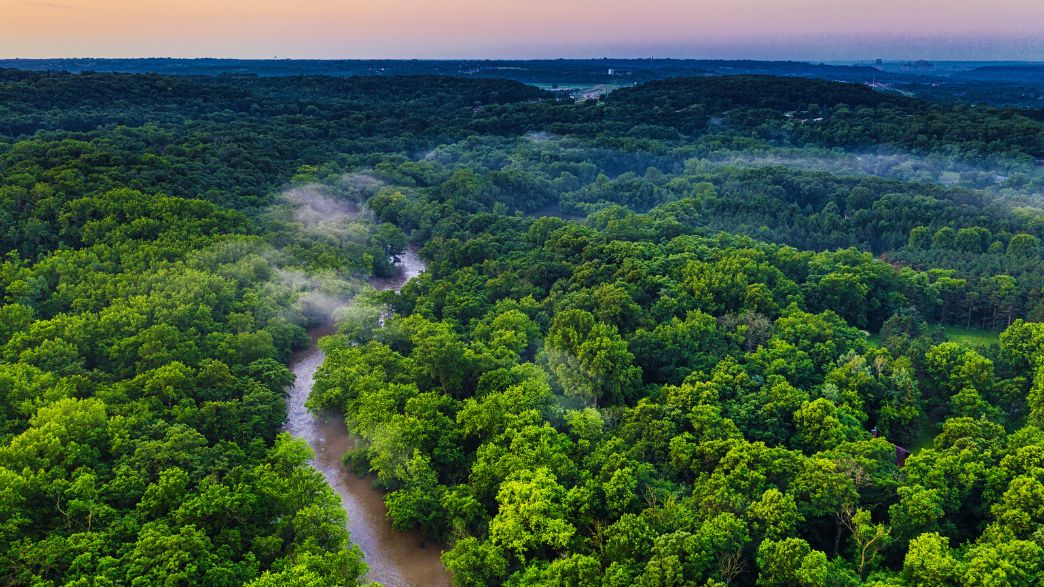


Nearly half of the planet’s natural World Heritage sites, such as the Great Barrier Reef, are now under severe threat from climate change, according to a major new assessment.
The World Heritage Outlook 4 report, released at the The International Union for Conservation of Nature (IUCN) World Conservation Congress currently being held in Abu Dhabi, found that 43 per cent of sites face “high” or “very high” threats from the changing climate, a jump from 33 per cent just five years ago.
The report paints the most comprehensive picture yet of the health of the world’s 271 natural World Heritage sites, from tropical forests to coral reefs, and it reveals a troubling decade long decline in their overall conservation outlook.
Just 57 per cent of sites are now considered to have a positive future, down from 62 per cent in 2020. Those recognised for their biodiversity are faring worst, hit hardest by a combination of heat, drought, disease and human pressure.
“Protecting World Heritage is not just about safeguarding iconic places – it is about protecting the very foundations of life, culture, and identity for people everywhere,” said Dr Grethel Aguilar, IUCN director general.
“These are some of the world’s most outstanding sites, and they are home to extraordinary biodiversity and geodiversity. They sustain communities, inspire generations, and connect us to our shared history.”
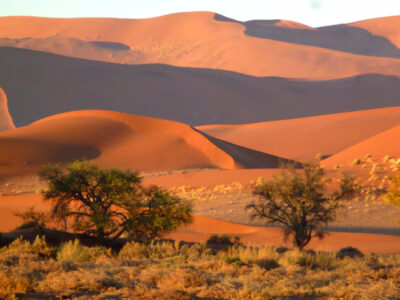
Climate change now the dominant global threat
The report confirms climate change as the single largest current danger to World Heritage. Shifting temperatures, more intense storms, and changing rainfall patterns are destabilising fragile ecosystems from Australia’s Tasmanian Wilderness to the mangrove forest of the Sundarbans.
Invasive non-native species remain the second most widespread threat, affecting 30 per cent of sites. But, scientists also warn of a sharp and alarming increase in the spread of wildlife and plant diseases, now threatening 9 per cent of all sites, up from just 2 per cent in 2020.
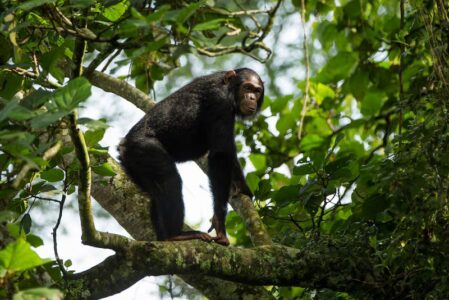
Pathogens, such as the Ebola virus in primates in Virunga National Park in the Democratic Republic of the Congo, white-nose syndrome in bats in Mammoth Cave in the US, and avian influenza in Peninsula Valdes in Argentina are undermining the health of entire ecosystems.
The IUCN report highlights the pressures are interlinked. Warmer temperatures and disrupted precipitation patterns can accelerate the spread of invasive species and pathogens, while unsustainable tourism, the third most common threat, can further amplify risk.
Management and finance gaps
The report states serious shortcomings in how many of these natural treasures are protected. Only half of the sites assessed are considered to have effective management in place, and 15 per cent are at high risk due to inadequate or unreliable funding. Chronic underinvestment, IUCN says, is eroding the resilience of even the most celebrated landscapes.
“Ensuring the resilience of natural World Heritage requires long-term commitment at all levels, from local communities to international partners, backed by adequate finance”, said Tim Badman, IUCN director for World Heritage.
“The picture we see after a decade shows a new approach is needed to turn the tide for World Heritage and expand the small number of successes to the large number of sites in need.”
Hope for the future
Yet the assessment also points to examples of success. Thirteen sites improved their conservation outlook between 2020 and 2025, demonstrating that targeted funding and community engagement can yield results.
Four sites in West and Central Africa, including Dja Faunal Reserve in Cameroon and Garamba National Park in the DRC – moved from “critical” to “significant concern” thanks to strengthened anti-poaching measures and stabilised wildlife populations.
The IUCN calls for a fundamental shift in global conservation, with stronger recognition of Indigenous Peoples’ leadership and traditional knowledge. From ranger-led stewardship in Australia’s Uluru-Kata Tjuta National Park to community driven marine protection in the Pacific, Indigenous management has proven to enhance resilience and biodiversity outcomes.